


Your all-access pass to the people and events shaping Canada’s democracy
Results: 1 - 8 of 8
Telling Times
Agnes Macphail
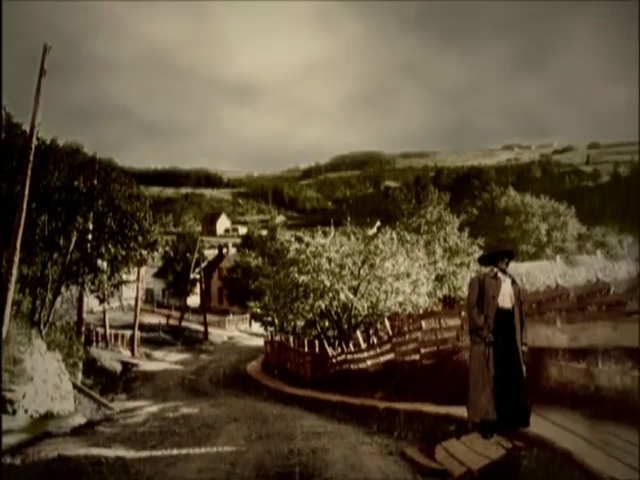
Telling Times is a series of short historical documentaries that showcase pivotal Canadian events, people and buildings that helped shape, build, and define the nation. On December 6, 1921, Agnes Macphail became Canada’s first female member of Parliament. Although Ms. Macphail faced opposition from traditionalists and from her own party, she remained in office until 1940, focusing on issues concerning farming, labour, and penitentiary reform. This documentary uses archival footage, text, and photographs to explore the groundbreaking political life of Agnes Macphail.
The Canadian Pacific Railway
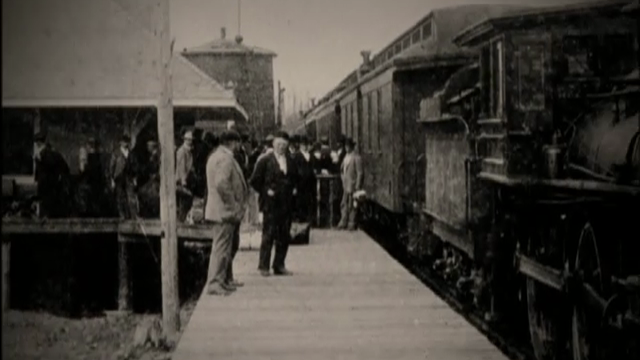
Telling Times is a series of short historical documentaries that showcase pivotal Canadian events, people and buildings that helped shape, build, and define the nation. On November 7, 1885, the Canadian Pacific Railway (CPR) was completed in Craigellachie, B.C., connecting Canada’s geographically divided nation. Construction began in 1871 when British Columbia demanded a railway or coach road as a pre-condition to entering the Canadian union. The enormity of the CPR project led to controversy in equal measure, including the heavy reliance on underpaid Chinese labourers. This documentary uses archival footage, text, and photographs to explore the legacy of the Canadian Pacific Railway.
History of the Vote – Women's Right to Vote
Learn how the franchise for women was achieved in this Telling Times documentary. After Confederation in 1867, all women were excluded from voting: it was the law. Nellie McClung was one of the most important leaders of Canada’s feminism movement. In 1914, she staged a satirical play to a sold-out audience in Winnipeg, where the roles of men and women were reversed. The press loved it and its success consolidated support for the women’s cause. In 1916, Manitoba was the first province to give women the vote. In 1917, military nurses serving abroad were the first Canadian women to vote in a Canadian federal election. Two military laws introduced during the First World War inadvertently benefited women. Both were a transparent effort to increase the number of electors who would vote for Borden’s government. The vote was given to serving military personnel, including military nurses, and female citizens over the age of 21 who were the wife, widow, mother, sister or daughter of someone serving in uniform. On May 24, 1918, the majority of Canadian women were given the right to vote. Immigrants of Asian origin and their descendants, certain religious groups, as well as Inuit and Aboriginal peoples were excluded. It wasn’t until 1960 that all women over the age of 18 were given the vote.
Telling Times is a series of short historical documentaries that showcase pivotal Canadian events, people and buildings that helped shape, build and define the nation.
History of Parliament Hill
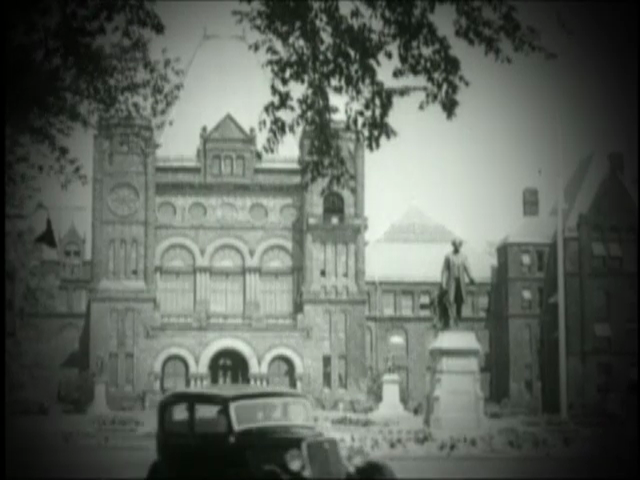
The Parliament Buildings in Ottawa are one of Canada’s best known symbols. Surrounded by the East and West blocks, the Centre Block with its iconic Peace Tower and distinctive Library of Parliament is a familiar sight to Canadians and people around the world. It’s home to Canada’s federal legislature; laws made here affect the lives of every citizen. In this Telling Times short documentary we look at the fascinating history behind the buildings that make up Parliament Hill.
Battle of Passchendaele
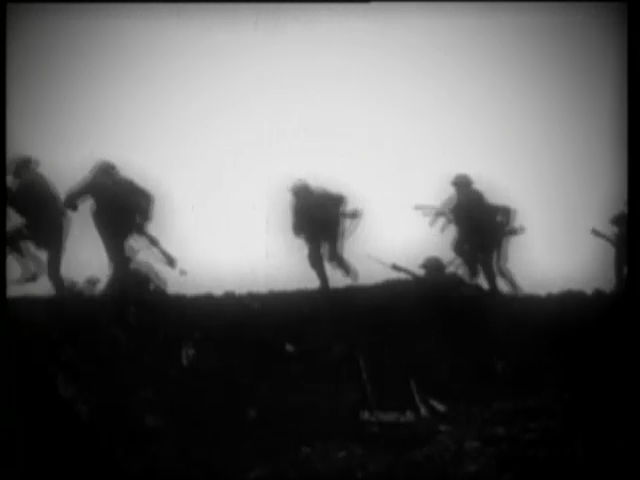
The Battle of Passchendaele claimed the lives of around half a million soldiers on both sides. It was the bloodiest battle of World War I and has become infamous not only for the scale of casualties, but also for the mud. Between October 26 and November 7, 1917, the Canadian Corps suffered some 16,000 casualties in taking Passchendaele. The Battle of Passchendaele, along with the Battles of the Somme and Vimy, played an essential role in Canadian nation building. Perhaps the battle's most enduring epitaph is the phrase from one of Siegfried Sassoon's poems: “I died in hell They called it Passchendaele.” Lest We Forget.
History of the National War Memorial
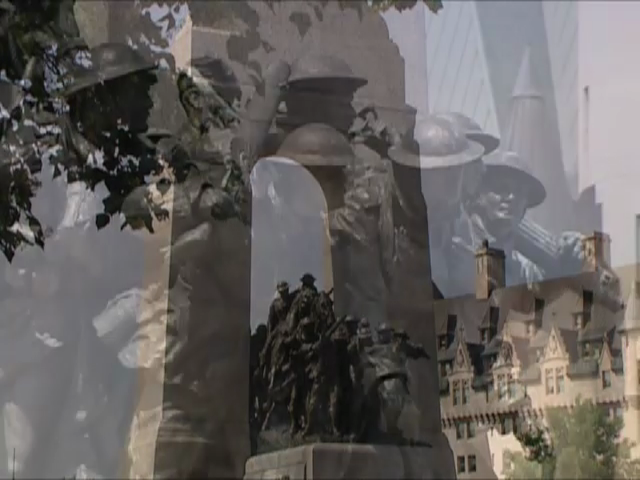
The National War Memorial located in the heart of downtown Ottawa honours all of Canada’s war dead. It symbolizes the sacrifice made by every Canadian who has died or may yet die for their country. In this Telling Times short documentary we look at the history of the National War Memorial.
Memorial Day-History of the 1st Newfoundland Regiment
July 1st has become a day of mixed emotions for Newfoundlanders and Labradorians. While most of Canada celebrates, here it is a day of commemoration and mourning known as Memorial Day. On July 1st, 1916, 801 members of the 1st Newfoundland Regiment fought in the Battle of the Somme at Beaumont-Hamel, France. Only 68 answered the roll call the next morning. There was hardly a home on the island that was unaffected by the carnage of that day. One historian has noted that no other unit which fought in the First World War was so identified with the community that raised it. The loss was imprinted in the Newfoundland and Labrador history and culture.
More items available