Your all-access pass to the people and events shaping Canada’s democracy
Results: 1 - 20 of 126
January 29-31: Conservatives gather in Calgary for their first federal convention since 2023. Follow CPAC for complete coverage as delegates debate policy and changes to the party constitution. They also have their say on Pierre Poilievre's leadership.
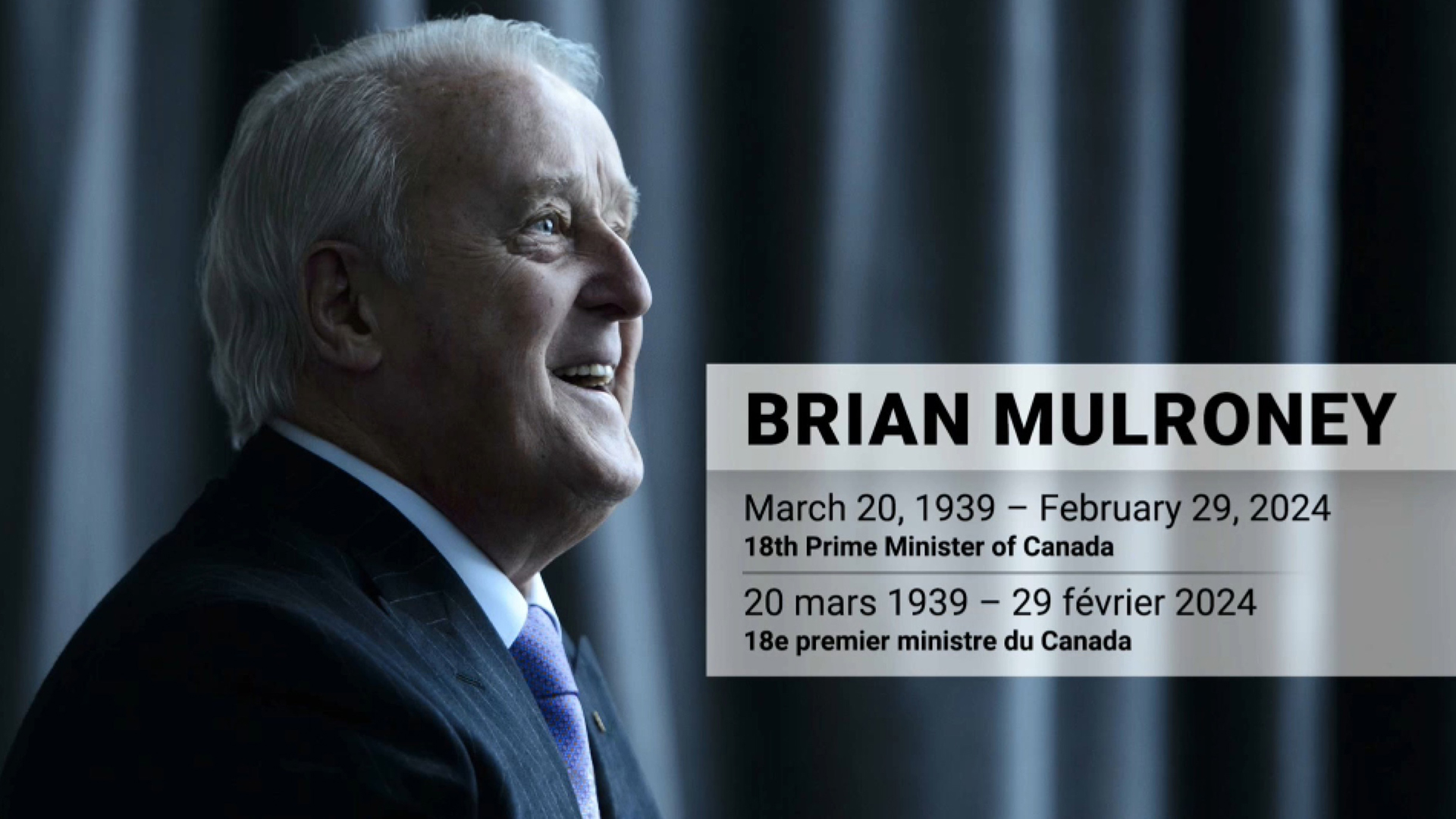
Former prime minister Brian Mulroney has died at age 84, according to a statement posted by his daughter.
Conservatives gather for their first in-person policy convention since 2018. And exactly one year after Pierre Poilievre's leadership win in September 2022.
Conservatives will debate changes to the party's official Policy Declaration--a 70-page document with 173 sections. Delegates must also consider 30 amendments to the Conservative Party of Canada's constitution.
The party had lost two straight elections to Lester Pearson and the Liberals. Party president Dalton Camp was re-elected in November 1966 and forced a controversial leadership review by the end of 1967. The party gathered in Toronto, leading to one of the most famous conventions in Canadian history.
The Conservatives won the popular vote and gained 26 MPs, but failed to make gains in seat-rich Ontario and Quebec, and Andrew Scheer resigned his leadership eight weeks later.
The official 2017 round-by-round results, plus riding-by-riding numbers.
Highlights from the 2013 Conservative Party of Canada convention in Calgary.
About 2,400 delegates and observers gathered in the nation's capital, with some 80 policy resolutions and 48 constitutional amendments on the agenda one month after the party's election victory.
Lower-than-expected turnout was blamed on fatigue from the federal election just one month prior, Quebec's provincial campaign, a lack of controversial resolutions, and the status of registration fees as political donations.
The Conservative Party of Canada held its founding policy convention in Montreal following the merger of the Canadian Alliance and the Progressive Conservatives and the 2004 election that left the new party as Official Opposition.
In choosing Joe Clark's successor, Tories had to consider if the time had come to cooperate with the Stephen Harper-led Canadian Alliance. The subsequent final-ballot push between Peter MacKay and Jim Prentice produced one of the most infamous convention deals in Canadian history.
Several MPs had left the Alliance caucus in 2001 to form a “Democratic Representative Caucus” in opposition to Stockwell Day’s leadership. Day stepped down that summer and called for a fresh leadership race.
About 1,100 delegates were in attendance as the United Alternative concept moved to the next step of forming a new party.
Jean Charest’s departure for Quebec politics created an opening to head the fifth party in the House of Commons.
The party’s catastrophic election performance led to Campbell’s resignation in December 1993. Jean Charest, one of two Tory MPs left in the House of Commons, became interim leader one day later at the party executive's request.
With Canadians about to vote on the Charlottetown constitutional accord, more than 1,500 Reform members met to reaffirm their opposition and consider a draft election platform.
With a rising membership, more than 1,300 people were expected in Saskatchewan as the growing party sought to prepare for the next election in western Canada.
More than two-thirds of Tories at a January 1983 convention voted against reviewing Joe Clark’s leadership. The former prime minister still wanted a fresh mandate from the party, and resigned to run for his job anew.
Robert Stanfield’s retirement after three election defeats led to another multi-ballot convention.
More items available