


Your all-access pass to the people and events shaping Canada’s democracy
Results: 1 - 20 of 746
Supreme Court Hearings
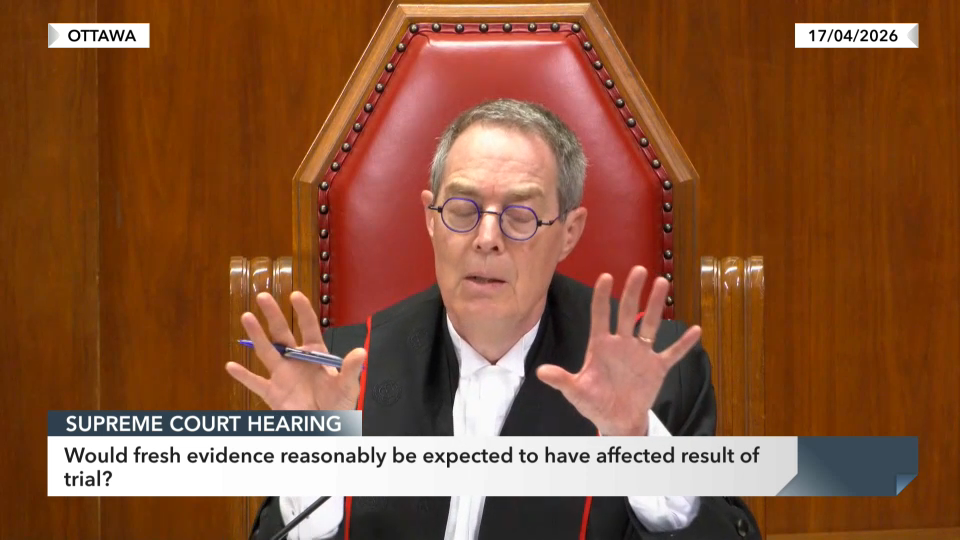
Did the Court of Appeal err in dismissing the motion to allow new evidence to be introduced at the appeal stage? Did the Court of Appeal err in dismissing appeal from conviction? Would fresh evidence reasonably be expected to have affected result of trial?
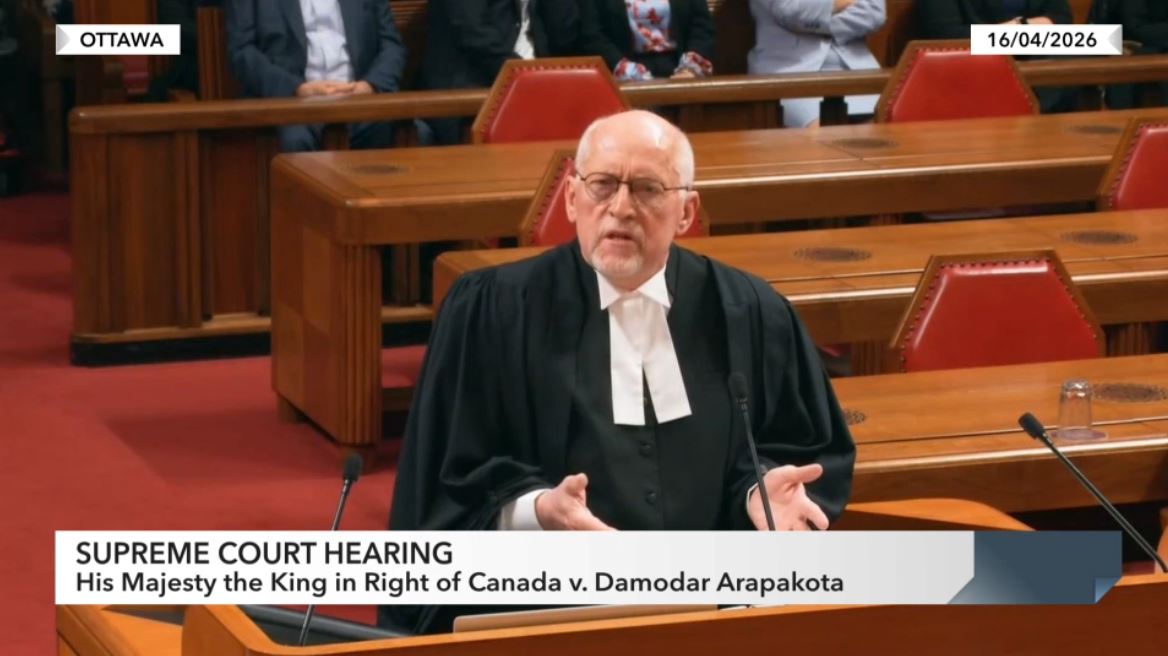
Did the majority of the Court of Appeal err in its interpretation of s. 3(1)(a) of the Corruption of Foreign Public Officials Act? Did the majority of the Court of Appeal err in finding that the trial judge’s legal error did not affect the verdict?
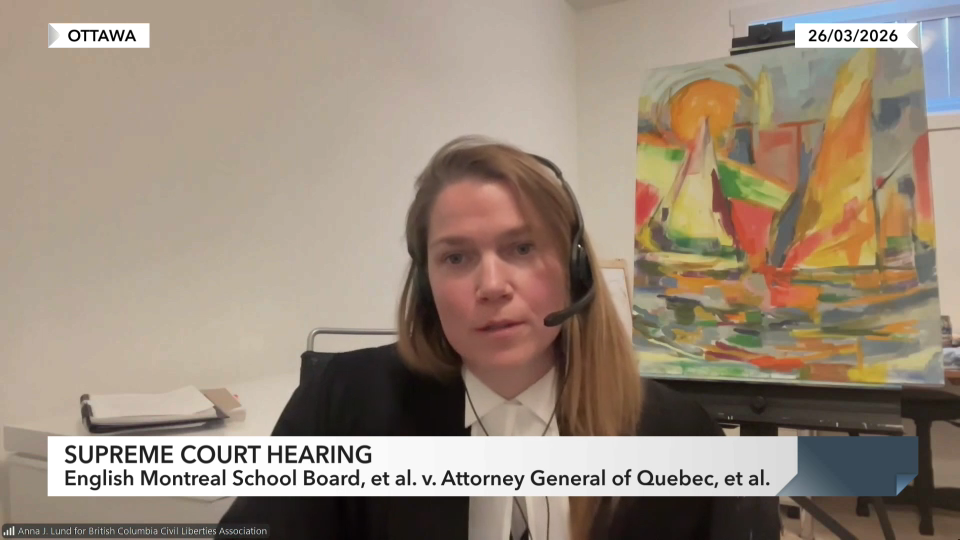
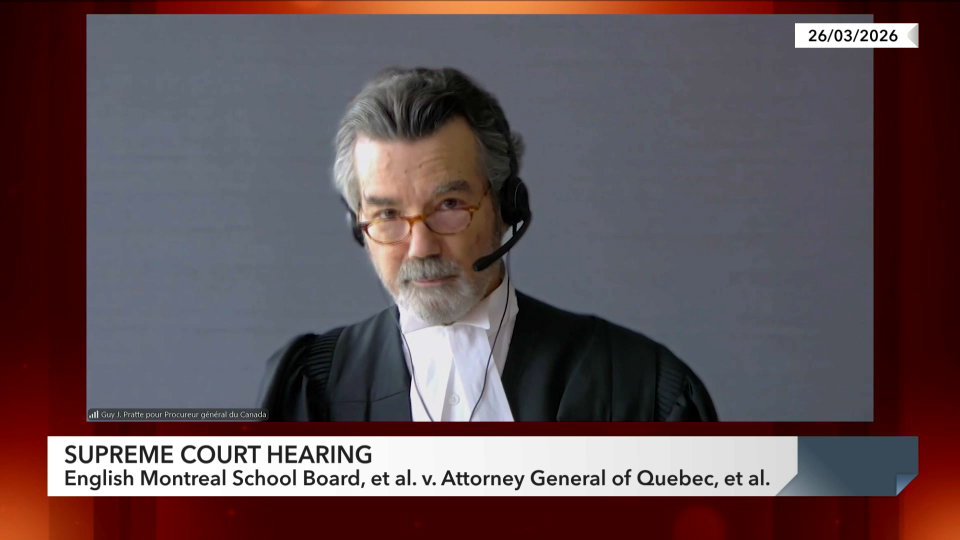
Should grounds raised to challenge the constitutional validity of the Act respecting the laicity of the State be accepted? (March 26, 2026)
Should grounds raised to challenge the constitutional validity of the Act respecting the laicity of the State be accepted? (March 25, 2026)
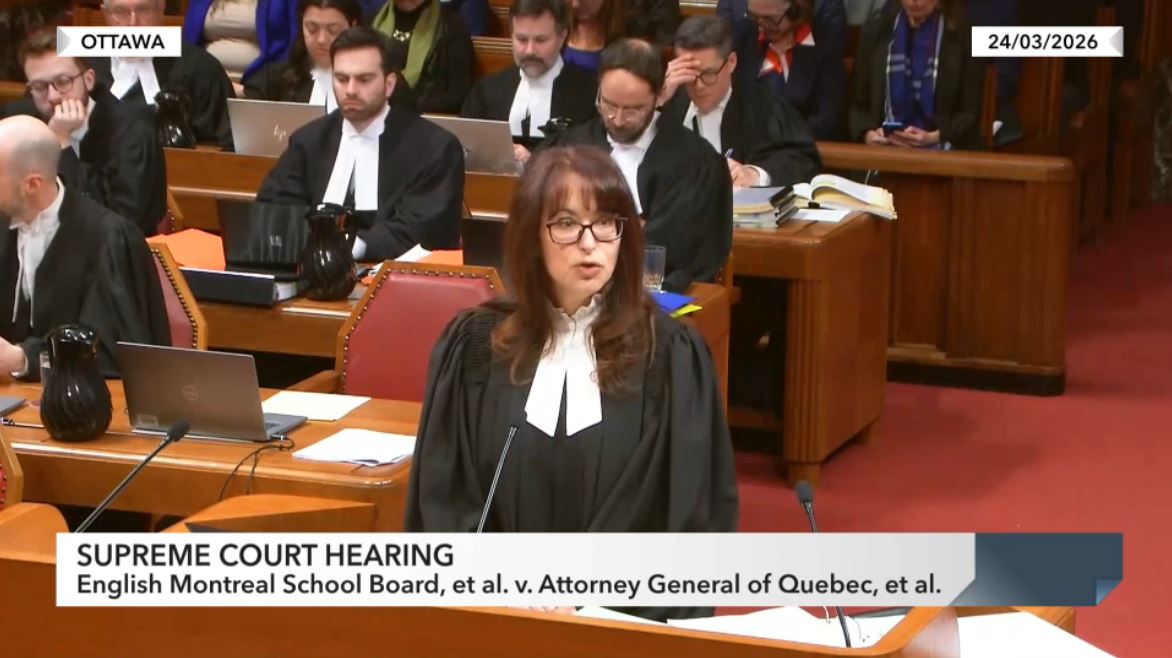
Should grounds raised to challenge the constitutional validity of the Act respecting the laicity of the State be accepted? (March 24, 2026)
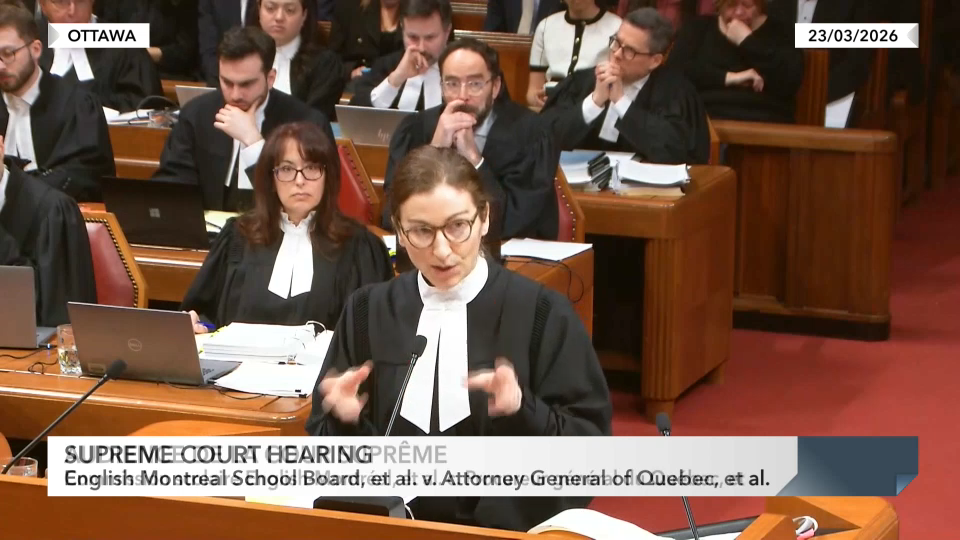
Should grounds raised to challenge the constitutional validity of the Act respecting the laicity of the State be accepted? (March 23, 2026)
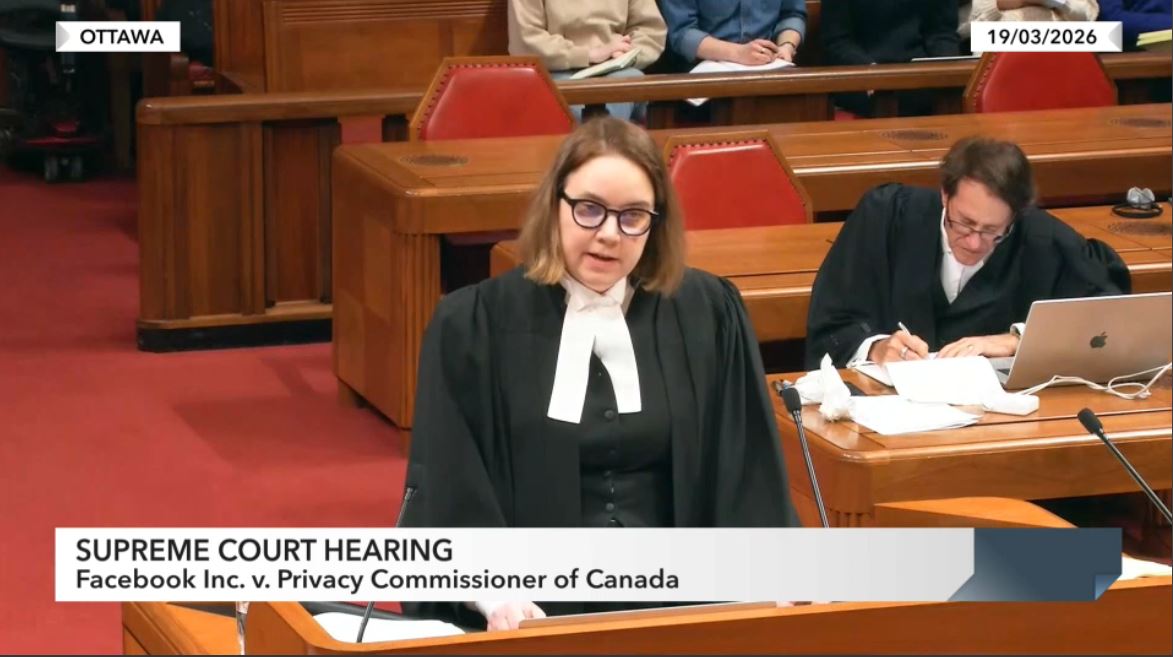
Did the application judge err in finding that the Privacy Commissioner of Canada did not prove that Facebook failed to obtain meaningful consent to disclose personal information to third-party apps? Did the application judge err in finding that the Privacy Commissioner did not prove that Facebook failed to maintain adequate security safeguards to protect personal information in its possession or custody? (March 19, 2026)
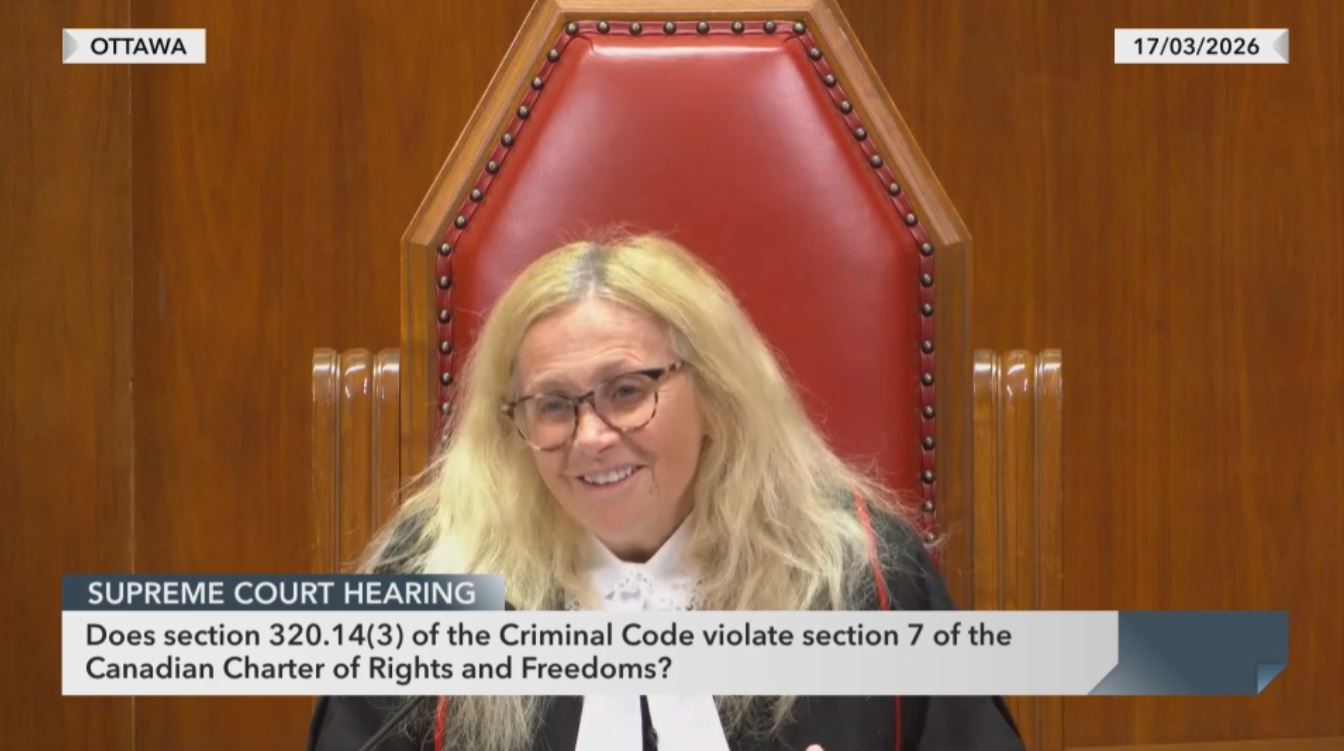
Does section 320.14(3) of the Criminal Code violate section 7 of the Canadian Charter of Rights and Freedoms? Is a causal nexus required between blood drug concentration and the death of the victim? (March 17, 2026)
Are commercial landlords exempt from the duty to mitigate damages? If the common law is able to grow and adapt to changing conditions, when and how should lower courts depart from Supreme Court of Canada decisions on common law? In the absence of factual matrix evidence, should courts apply the plain meaning of the parties’ chosen words when interpreting a contract? (February 18, 2026)
Does section 320.31(9) infringe section 7 of the Charter? If section 320.31(9) infringes section 7 of the Charter, is the infringement nonetheless a reasonable limit that is demonstrably justified under section 1 of the Charter? If section 320.31(9) does not infringe section 7 of the Charter, what is the appropriate remedy? (February 17, 2026)
Did the Court of Appeal err in law in ordering that the agreement to settle the authorized class action be submitted to the court by the applicants/defendants for approval? Did the Court of Appeal’s order requiring submission of the settlement agreement for approval place counsel in a conflict of interest and compromise their ethical obligations? Did the Court of Appeal err in ruling that a lawyer acting for plaintiffs in a class action has a solicitor-client relationship only with the class representative? Did the Court of Appeal err in ruling that a lawyer acting for plaintiffs in a class action does not represent the class members? Did the Court of Appeal err in ruling that a lawyer acting for plaintiffs in a class action owes no duty to act in the best interests of the class where those interests conflict with the instructions of the class representative? Did the Court of Appeal err by breaching its duty to protect the interests of absent class members, particularly where those interests conflict with those of the class representative? / Did the Court of Appeal err in asking the defendants to submit an amended settlement agreement for approval if Mr. Gobeil and Mr. Walter refused to do so? Did the Court of Appeal err in law in holding that art. 2633 C.C.Q. and art. 528 C.C.P., governing homologation under ordinary law, apply to the approval of a class action settlement? Did the Court of Appeal err in law in concluding that arts. 2633 C.C.Q. and 528 C.C.P. govern the process for approval of a class action settlement? (February 16, 2026)
Did the trial judge err in interpreting the notion of “irregularity”? Did the trial judge err in determining the consequences of the irregularity on the integrity of the electoral system? Did the trial judge err in imposing a burden on the voter that was greater than that required under the Canada Elections Act? (February 13, 2026)
Do the conflict-of-interest principles established in MacDonald Estate apply by analogy to the disqualification of a lawyer for insufficient professional distance? What criteria should guide a trial judge in deciding whether to disqualify a lawyer for failing to maintain sufficient professional distance consistent with their duties as an officer of the court? (February 12, 2026)
Did the event set out in section 161(7)(b)(iv) occur when the Minister reassessed the taxpayer’s previous taxation year at a later date? What is the proper construction of section 161(7)(b)(iv)? How should the words “where, as a consequence of a request in writing, the Minister reassessed the taxpayer’s tax for a previous year to take into account the deduction of a loss” be interpreted? (January 21, 2026)
Did the Court of Appeal err in finding that the stop power considered in Ladouceur does not exist at common law? Did the Court of Appeal err in finding that the stop power provided for in s. 636 of the Highway Safety Code unjustifiably infringes s. 7, 9, and 15(1) of the Canadian Charter of Rights and Freedoms? (January 20, 2026)
Did the Court of Appeal err in finding that the stop power considered in Ladouceur does not exist at common law? Did the Court of Appeal err in finding that the stop power provided for in s. 636 of the Highway Safety Code unjustifiably infringes s. 7, 9, and 15(1) of the Canadian Charter of Rights and Freedoms? (January 19, 2026)
Is the possibility of political oversight an adequate alternative remedy to judicial review? Does the partial privative clause in section 66 of the Conflict of Interest Act preclude an application for judicial review? If the partial privative clause in section 66 of the Conflict of Interest Act precludes an application for judicial review, is section 66 of no force or effect because it is inconsistent with the Constitution Act, 1867? (January 15, 2026)
Is the possibility of political oversight an adequate alternative remedy to judicial review? Does the partial privative clause in section 66 of the Conflict of Interest Act preclude an application for judicial review? If the partial privative clause in section 66 of the Conflict of Interest Act precludes an application for judicial review, is section 66 of no force or effect because it is inconsistent with the Constitution Act, 1867? (January 14, 2026)
What does the deferential standard of review mean in terms of weighing sentencing factors and making factual findings? How should courts approach sentencing when ss. 718.04, 718.201, and 718.2(e) of the Criminal Code apply?
More items available